Roof snow removal and ice dams in London, Ontario
Heavy snow on a roof can lead to ice dams at the eaves, icicles over a walkway or, on a flat roof, more weight than the roof was built to carry. Roof snow and ice dam removal is one of the London Snow Removal services: you send a request, we reply by email or phone, and the work is arranged with a local operator.
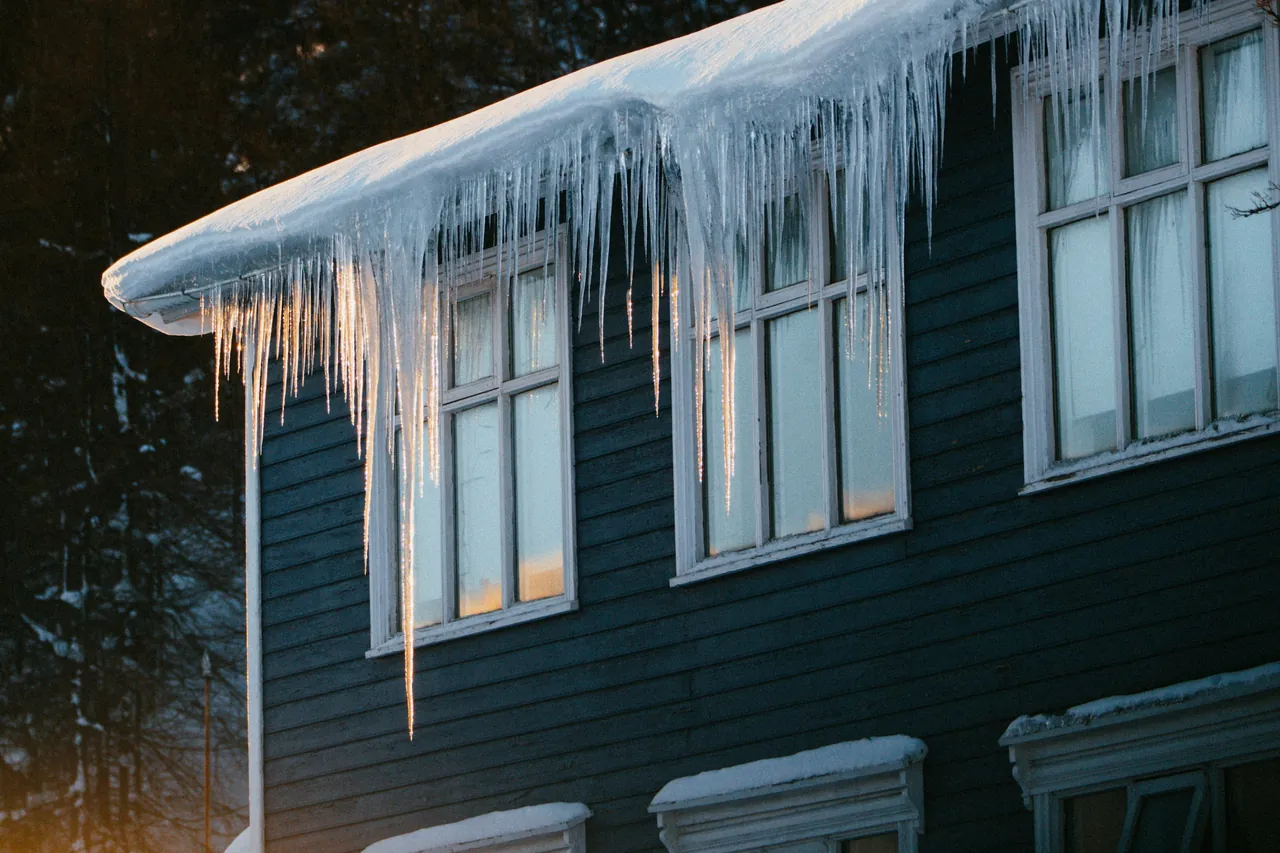
When roof snow becomes a problem
Snow on a sound roof is not a problem by itself. Watch for these signs:
- Thick ice along the lower edge of the roof or in the gutters.
- Water stains on a ceiling or upper wall during a thaw.
- Interior doors that start to jam, new cracks in drywall or plaster near the centre of the house, or a sagging ridge line. Canada Mortgage and Housing Corporation (CMHC) says these are the first signs of strain from a heavy roof load.
- Icicles or overhanging snow above a door, a walkway or the driveway.
Snow builds up over the winter: in Environment and Climate Change Canada's 1991 to 2020 normals, January is London's snowiest month at 52.0 cm of snowfall, and London's snowfall by month shows the rest of the season.
What an ice dam is and why it leaks
An ice dam is a large mass of ice that collects on the lower edge of a roof or in the gutters. Melting snow or rain backs up behind it, sometimes under the shingles and into the attic or the house.
CMHC says ice damming usually happens under a significant depth of roof snow: attic heat warms the roof sheathing, the snow melts from below, and the water refreezes at the colder overhang. It adds that common winter ice dams form when it is just below freezing outside, between 0°C and -10°C.
CMHC notes that shingles are designed only to shed water running down, not up, and that ice dams are more frequent on roofs with many valleys and dormers or a large overhang.
Why you should stay off an icy roof
Leave roof ice to a professional. CMHC says removing ice mechanically from a sloped roof is always dangerous, for the person and for the roof, and will probably invalidate the shingle warranty. Chipping at ice dams every winter with an axe or ice pick shortens shingle life, and CMHC calls it "a good opportunity to fall off a ladder."
CMHC advises roping off the area under heavy overhead ice, never working alone, and leaving ice-covered sloped roofs to professionals. It notes that during the 1998 ice storm, more than one person died from falling icicles while standing in a driveway.
How roof snow and ice are cleared
For a sloped roof, CMHC describes two steps: shovel off the loose snow to expose the ice, then make drainage paths through the ice at the lower edge, where most ice dam and water backup problems happen. From the ground, a long-handled roof rake can pull loose snow off the lower edge without anyone climbing up. Stand clear of where the snow lands and keep the rake away from power lines.
Keep salt off the roof
CMHC says to keep salts such as sodium chloride and calcium chloride off roofs: they speed up corrosion and rust, can deteriorate roofing materials and, like other chemical de-icers, can discolour shingles and corrode flashings and drains. It lists calcium magnesium acetate as a safer material.
What to put in your request
Choose Roof snow on the form, and in the message box say whether the roof is sloped or flat, how many storeys it has, where the ice is and whether water is coming in. If the driveway is buried too, ask for driveway snow removal in the same request.
Before anyone goes on the roof, ask the operator about their training, safety equipment and liability insurance.
Flat roofs on homes and businesses
On a flat roof, snow and ice stay where they land, so weight is the thing to watch. CMHC says that in most areas, flat roofs are built to safely hold a maximum of 17 to 20 cm of solid ice, 38 to 43 cm of hardened snow or 70 to 80 cm of fresh snow. These general figures are not London building code values and do not apply to sloped house roofs.
CMHC says ice removal is not a good do-it-yourself project, but heavy snow can be shovelled off the top of the ice to keep the weight under control. For a plaza, office or apartment building, mention the roof when you request commercial snow removal for the lot.
Icicles and snow that could fall onto the street
If a building, structure or sign could drop icicles, ice or snow onto the street, the owner of the lot must remove them by 10:00 a.m. on any day that is not a holiday under the Retail Business Holidays Act. That is section 8.6(a) of London's Streets By-law S-1, and the City's penalty by-law lists a $150 penalty for not removing them.
Preventing ice dams next winter
The lasting fix is a colder attic. CMHC calls lowering the attic temperature the first line of defence: stop air leaking from the house and add enough attic floor insulation. It treats heating cables and other de-icing methods as a last resort.
Attic work is for an insulation contractor or roofer. Until it is done, check the eaves after heavy snow and send a request if ice starts to build.
Questions about roof snow removal
When should snow be cleared off a roof?
Clear roof snow when ice builds up at the eaves, when snow or ice hangs over a place where people walk, or when the house shows strain, which CMHC says shows up first as jammed interior doors, new cracks in drywall near the centre of the house or a sagging ridge line.
What is an ice dam?
An ice dam is a large mass of ice that collects on the lower edge of a roof or in the gutters, where melting snow or rain backs up behind it, sometimes under the shingles and into the house. CMHC says the usual cause is attic heat melting deep roof snow from below.
Can I chip the ice off my roof myself?
CMHC advises against it. It says removing ice mechanically from a sloped roof is always dangerous for the person and the roof, will probably invalidate the shingle warranty, and should be left to a professional with proper equipment and training.
How much snow can a flat roof hold?
CMHC says that in most areas, flat roofs are built to safely hold a maximum of 70 to 80 cm of fresh snow, 38 to 43 cm of hardened snow or 17 to 20 cm of solid ice. These general figures are not London building code values and do not apply to sloped house roofs.
Do I have to remove icicles that could fall onto the street?
Yes. London's Streets By-law requires the owner of a lot whose building, structure or sign could drop icicles, ice or snow onto the street to remove them by 10:00 a.m. on any day that is not a holiday, and the City's penalty by-law lists $150 for failing to remove them.
Sources: CMHC fact sheets "Removing Ice on Roofs" (revised 2006) and "Attic Venting, Attic Moisture, and Ice Dams" (revised 2007); City of London Streets By-law S-1 and penalty by-law A-54; Environment and Climate Change Canada climate normals.
Request help with roof snow or ice
Tell us about the roof: sloped or flat, how many storeys, and where the snow or ice is. Sending a request is free and does not commit anyone to anything.
- We read every request and reply by email or phone.
- The work is arranged with a local snow clearing operator.
- Nothing is booked until you agree to what will be cleared, when and for what price.