Sidewalk, walkway and step clearing and salting in London, Ontario
Front walks, steps and entrances need clearing after a snowfall, and salt, sand or grit once they ice over. They can be part of any request for snow removal in London, Ontario: London Snow Removal reads it, replies by email or phone and arranges the work with a local snow clearing operator.
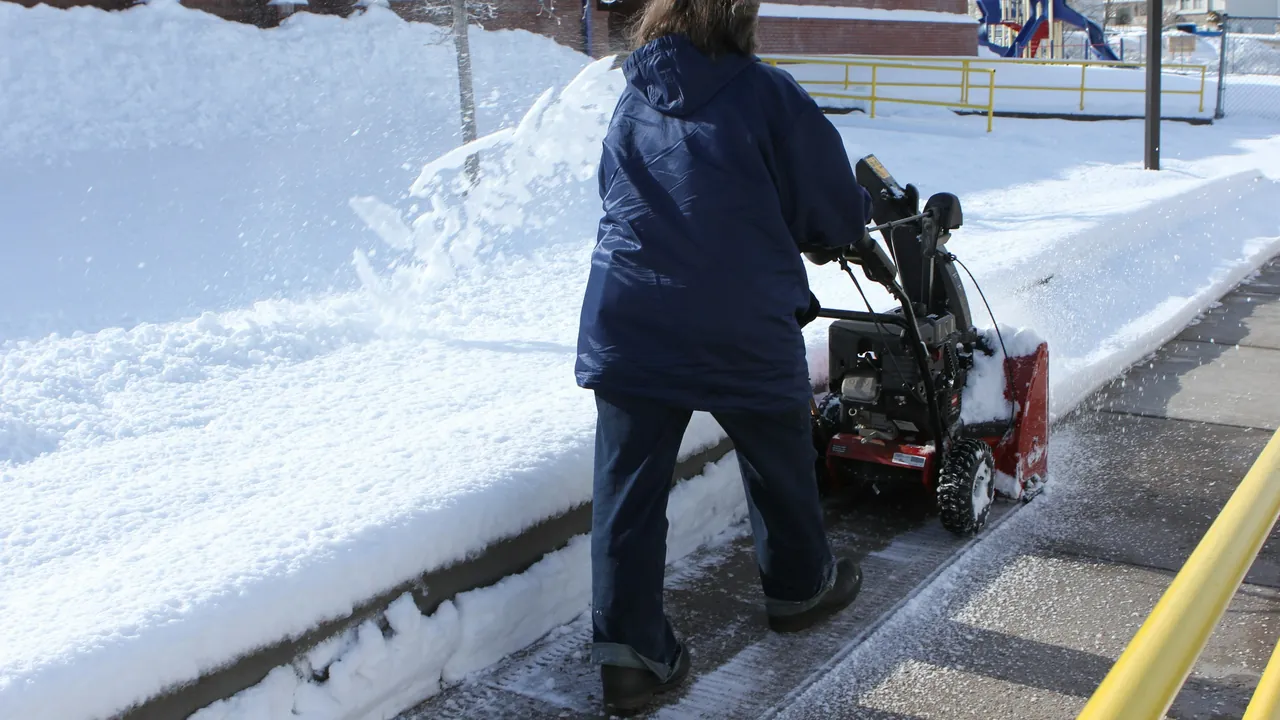
Walkways, steps and entrances on your property
The walk to your door, the steps and the entrances are yours to clear, or to have cleared, while the City's crews work on public sidewalks. Walks are cleared with a shovel or a walk-behind snowblower and steps by hand, then whatever ice is left gets salt, sand or grit.
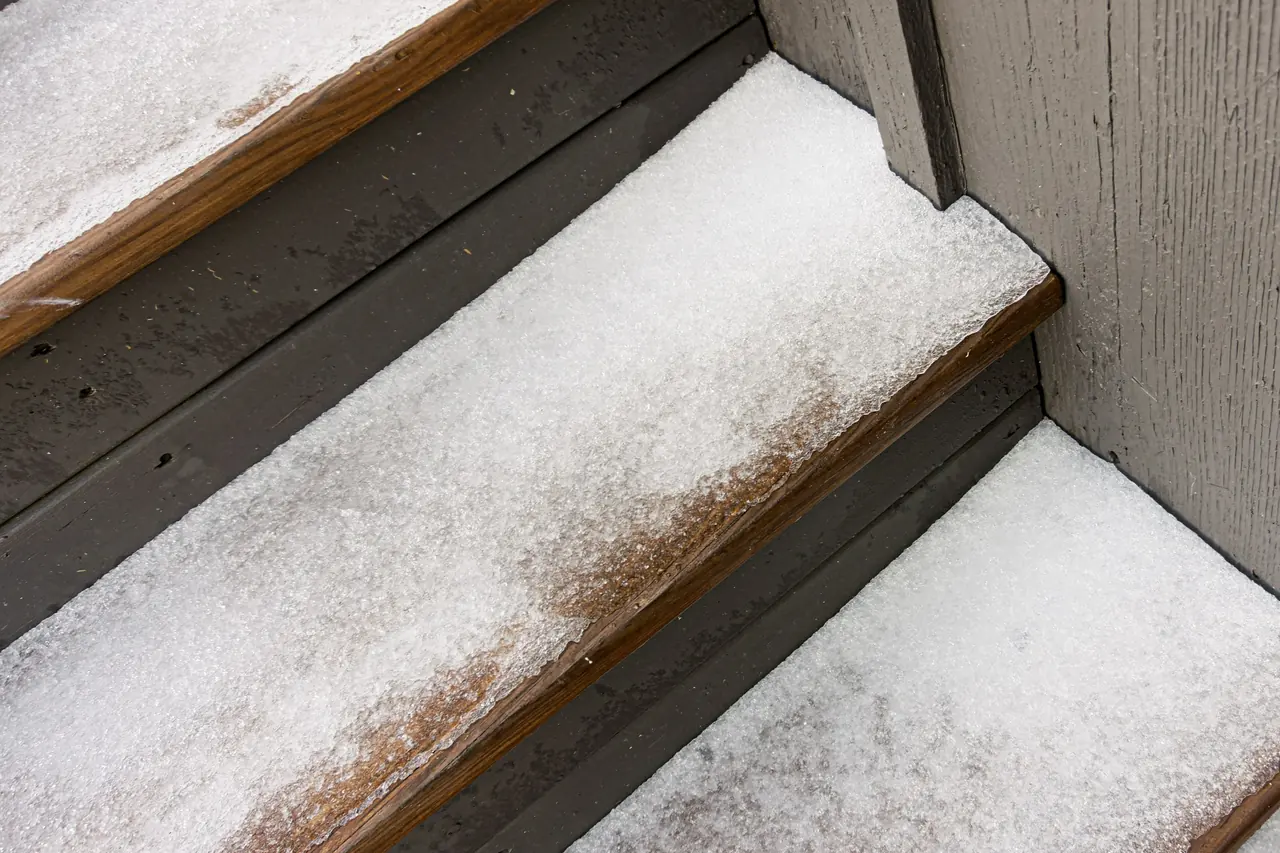
Cleared snow has to stay off the street, the sidewalk and the boulevard: London's Streets By-law bars moving snow or ice from private land to a boulevard, sidewalk or roadway, and the guide to London snow rules covers where else it may not go. If the driveway needs doing too, add it to the same request; driveway snow removal for homes covers the snowbank the City plow leaves.
Who clears the public sidewalk in front of your home
In most of London, the City clears the public sidewalk and encourages residents to be good neighbours and shovel the sidewalks in front of their homes. Downtown is different: along the street portions listed in Schedule C of the Streets By-law, the owner of the land must clear snow and ice from the sidewalk along their lot lines before 10:00 a.m. on any day that is not a holiday as defined in the Retail Business Holidays Act.
Schedule C, the Central Business District, covers set blocks of streets such as Dundas, Richmond, King and York. Snow or ice left after 10:00 a.m. can be cleared by the City Engineer without notice, at the owner's expense.
The City's sidewalk clearing standard says paths must have no more than eight centimetres of snow within 48 hours. Ontario's minimum standard for municipal sidewalks is the same 8 centimetres within 48 hours after the snow stops, with a minimum width of 1 metre.
A cleared sidewalk is not a bare one. The City says, "We are not able to restore bare pavement during the winter," and it clears bus stops after sidewalks because crews clear both with the same equipment. You can also ask for the public sidewalk in front of your home to be cleared with your walk.
Salt, sand and other de-icers: the trade-offs
Salt melts ice but leaves chloride behind, while sand and grit give grip without melting anything.
Rock salt, or sodium chloride, melts ice and works more slowly as the temperature drops. Environment and Climate Change Canada says road salts, in sufficient concentrations, pose a risk to plants, animals and the aquatic environment, and that almost all chloride ions from road salts eventually find their way into waterways.
Calcium chloride and magnesium chloride add chloride too, and the Upper Thames River Conservation Authority says chloride from road salt does not break down over time and can gradually build up in the environment.
Sand and grit give traction without adding chloride, which is why the same authority suggests them. They do not melt ice and get tracked indoors, and the authority says snow piled near catch basins, ditches, watercourses or wells can carry salt, sand and debris into water systems as it melts.
How much salt is enough
One mug of salt is often enough for a standard driveway or sidewalk, according to the Upper Thames River Conservation Authority.
CBC London reported that ecologist Taryn Smit, who studied salt pollution in the Upper Thames River, recommends shovelling and clearing ice first, then spreading one tablespoon of salt per square metre and sweeping up leftover salt to reuse.
So clear first, scatter salt thinly, keep it away from catch basins, ditches and private wells, store it covered and dry, and sweep up what is left. When salting is part of a request, ask which product will be used and how much.
Salt, pets and concrete: what is known
Little is settled: the pet advice found here comes from one veterinarian, and research on salt and concrete is still in progress.
In a 2019 CBC report, Waterloo veterinarian Marie Hardy said ice salt can cause chemical burns on pet paws and is toxic when animals lick it off, and she recommended a warm water foot bath after walks. No Government of Canada or Ontario guidance on salt and pets was found, so no de-icer is called pet safe here.
For concrete, CBC London reported in January 2025 that Western University researchers are studying how road salts corrode metal and concrete, with the work still in progress. No government guidance on salt and concrete driveways was found.
CMHC's guidance on de-icers is about roofs: its fact sheet says chemical de-icers can discolour shingles, break down membranes and corrode flashings and drains. For roofs, see roof snow removal and ice dams. If you have a dog or a new concrete walk, say so in your request.
Icy sidewalks the City treats
The City treats icy public sidewalks within 48 hours after its staff deem it necessary, and it spot sands sidewalks when it learns of icy or slippery conditions.
It keeps road salt to a minimum under its Salt Management Plan, salting only main roads, bus routes and core pedestrian areas, and reserves sand for local streets at intersections, curves and hills. Its yellow salt and sand boxes at some busy pedestrian crossings, school zones and community centres hold grit that residents may spread when conditions are icy. Bring your own scoop.
Questions about sidewalk clearing and salting
Do I have to shovel the City sidewalk in front of my house?
The City's Streets By-law requires it only along the downtown street portions listed in Schedule C, where the owner must clear the sidewalk before 10:00 a.m. on any day that is not a holiday. Elsewhere, the City clears public sidewalks and encourages residents to be good neighbours and shovel the sidewalks in front of their homes.
How much salt does a driveway or walkway need?
Often no more than one mug. The Upper Thames River Conservation Authority says one mug of salt is often enough for a standard driveway or sidewalk, and it advises shovelling before salting and sweeping up leftover salt to reuse.
Is sand a good alternative to salt?
Sand is a good choice when the goal is traction, but it does not melt ice. The Upper Thames River Conservation Authority suggests sand or grit for traction without adding chloride, and the City spot sands sidewalks when it learns of icy or slippery conditions. Keep sand away from catch basins.
Is road salt safe for pets?
Ice salt can harm pets, according to Waterloo veterinarian Marie Hardy, who told CBC in 2019 that it can cause chemical burns on pet paws and is toxic when animals lick it off. No Government of Canada or Ontario guidance on salt and pets was found.
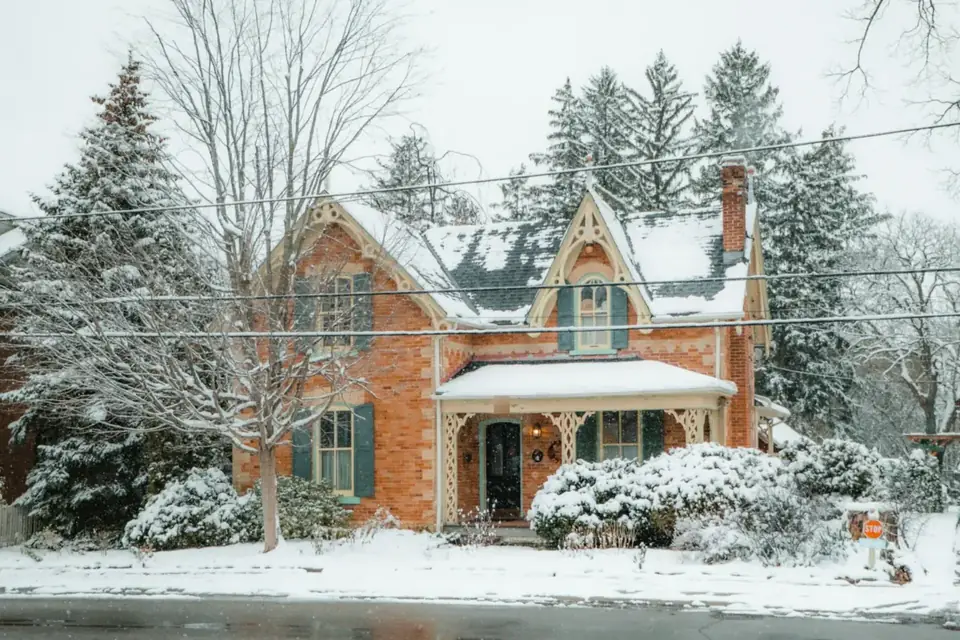
Request walkway clearing and salting
Tell us which walks, steps and entrances need clearing, and whether you want salt or sand on them. Sending a request is free and does not commit anyone to anything.
- We read every request and reply by email or phone.
- The work is arranged with a local snow clearing operator.
- Nothing is booked until you agree to what will be cleared, when and for what price.